From Sesame Street to Smartphones: What 57 Years of Educational Media Teach Us
Sesame Street first aired on 10 November 1969, long before smartphones, streaming apps and short-form video feeds.

ON THIS DAY IN HISTORY | 10 NOVEMBER 2026 EDITION
Sesame Street first aired on 10 November 1969, long before smartphones, streaming apps and short-form video feeds. Its anniversary is a useful starting point for asking how children's media should be designed and used today. The historical milestone does not prove that all screen time is harmful or that every programme marketed as educational is beneficial.
What is confirmed
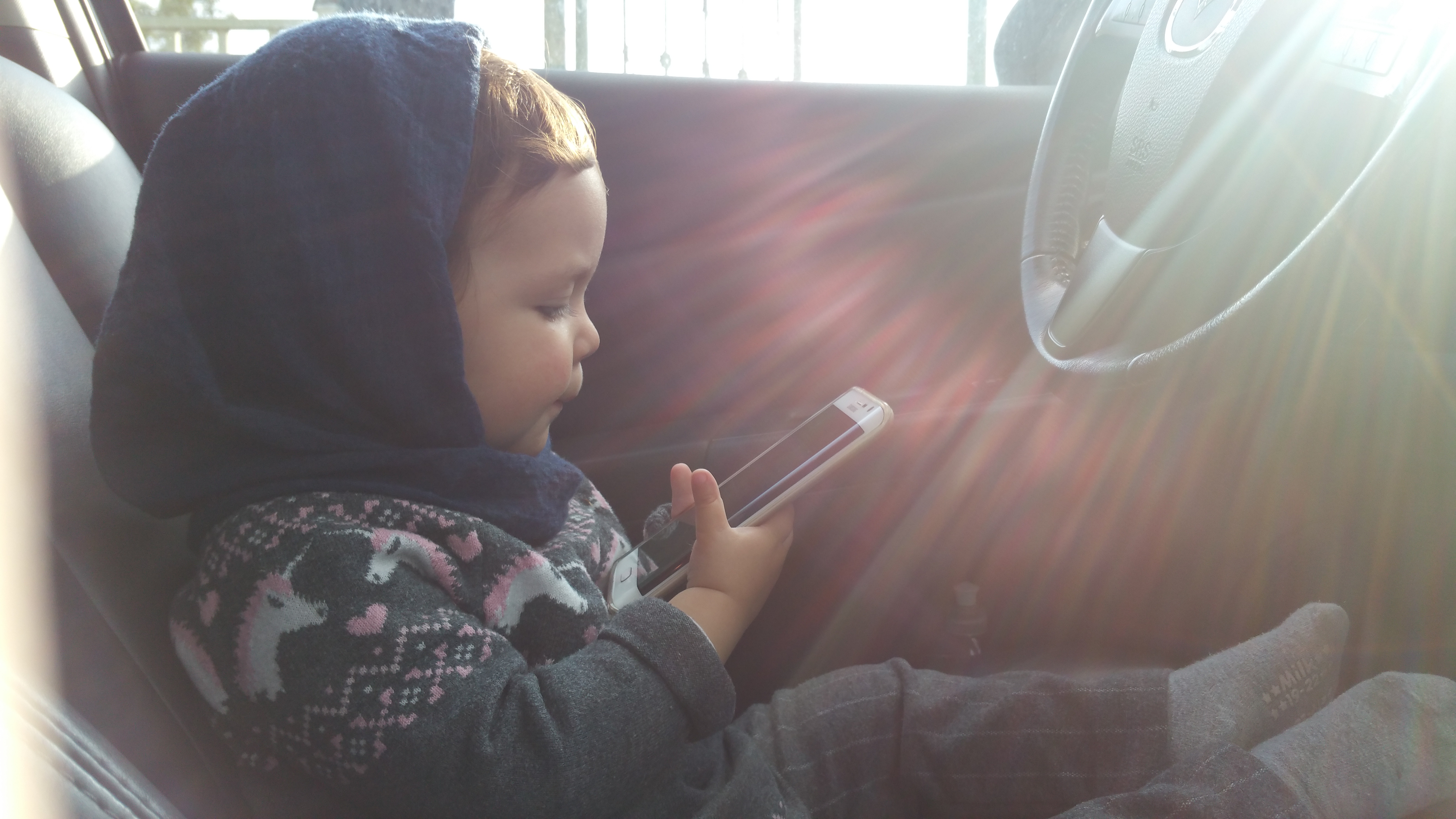
Early educational television was often structured around short learning goals and deliberate repetition. Modern devices offer more interaction, but they can also encourage endless scrolling, automatic recommendations and advertising. What matters is the child's age, the material being watched, the duration, and whether an adult helps connect the experience to real life.
Background and wider context
UNICEF parenting resources emphasise responsive relationships, play and activities that support development. Screens can support a learning goal when chosen thoughtfully, but they should not regularly displace sleep, movement, conversation or face-to-face play. A rigid rule alone does not solve the problem if the underlying content and family routine remain unchanged.
Why the story matters
Families can start with a shared media plan: choose age-appropriate videos, switch off autoplay where possible, keep devices away from bedtime routines and discuss what was watched. Parents should model the habits they ask children to practise. A child who sees every adult constantly checking notifications may find instructions about device balance confusing.
A closer look
The old broadcast model and today's personal devices are not identical. Modern platforms can automatically recommend more content, interrupt learning with alerts and make it difficult for children to stop watching. Parents can look at the content, context and child's response rather than counting minutes alone. A slow, age-appropriate educational programme watched together differs from an unsupervised stream of rapidly changing clips. Families can agree on device-free meals, a predictable bedtime routine and regular outdoor play. Schools should also explain why a digital task is being assigned and what students are expected to learn, so that screen exposure is purposeful rather than simply convenient.
How to interpret this report
An anniversary is a chance to understand the past, not evidence that the event happened again this year. Dates in historical timelines should be verified independently, especially where calendars, institutional founding traditions or later commemorations differ from the original occurrence. Historians may also distinguish between immediate reactions and the importance an event gained over decades. Readers are encouraged to consider whose experiences appear in the familiar version and whose are missing. The value of an on-this-day feature lies in context: it shows how decisions, inventions and cultural moments were shaped by their time.
Practical relevance
Schools using digital materials can ask whether the screen genuinely improves instruction. Interactive science simulations and accessible reading resources have a purpose; an unnecessarily long video played to fill time may not. Teachers can combine digital work with discussion, physical materials and opportunities to create.
What readers can do next
Parents can assess whether a digital activity supports curiosity, encourages conversation and leaves enough room for sleep, social contact and physical play. Rules work better when adults follow reasonable boundaries themselves. A school that assigns online work can also offer alternatives for pupils with weak connectivity or shared devices. Instead of treating all screens as identical, families can examine design features such as autoplay, notifications and advertising alongside the educational quality of the content.
What to watch
The lasting lesson is that media works best as part of a broader learning environment. This is an explainer built around a historical anniversary and UNICEF guidance, not a new government restriction or a claim that one screen-time number fits every family.
Primary source and further reading: unicef.org/parenting/child-development
Source: UNICEF parenting resources / Wikipedia 10 November history