Online School During Smog: Keep Screens Useful, Not Endless
Delhi's pollution-related hybrid schooling makes it important to protect children's learning while maintaining sleep, movement, privacy and offline activities.
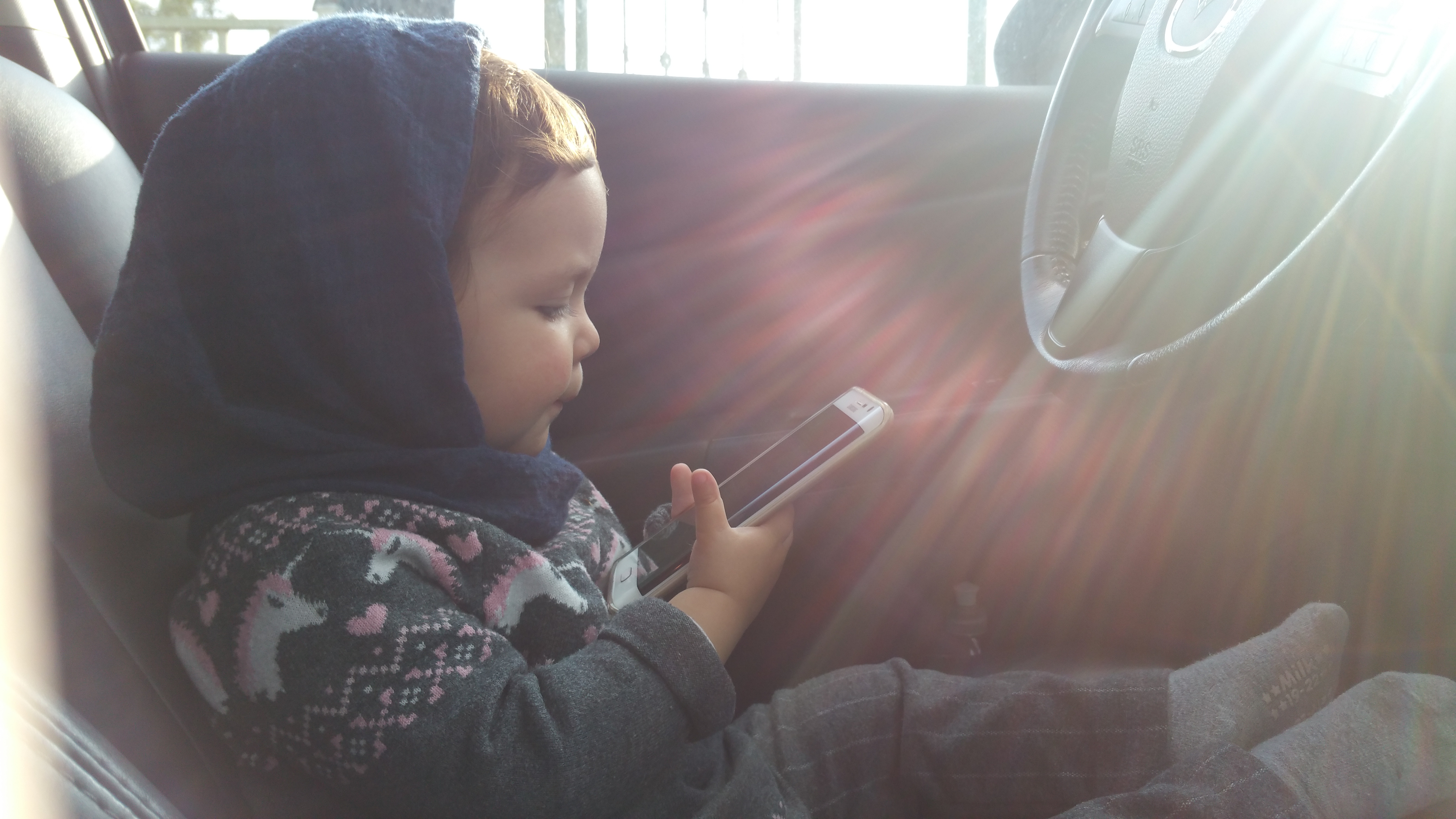
When bad air quality forces schools to shift activities online, screens become a practical tool rather than merely a leisure choice. During the pollution episode before and after Diwali 2026, authorities in Delhi-NCR asked schools to provide remote or hybrid learning options for younger students under pollution-control restrictions. Families then faced a familiar problem: a device that carries a lesson may also contain games, short videos, advertising and group messages. It is unhelpful to treat every minute of educational screen use as identical to passive entertainment. The more important questions concern purpose, content, supervision, sleep and what the child is doing when the screen is off.
A useful remote-learning day begins with a clear timetable. Parents and teachers can identify which sessions truly require a live connection, which tasks can be completed on paper and when children need to move, eat or rest. An explanation watched once and discussed with a parent may be more effective than repeatedly replaying an unclear lesson. Younger children often need adult help to open links, understand instructions and submit work. The expectation should not be that every home has a separate laptop, quiet room and unlimited high-speed internet. Schools can offer downloadable notes, flexible deadlines and simple communication for families sharing devices.
Health and safety matter alongside academics. Devices should be positioned comfortably, breaks should interrupt prolonged sitting and late-night screen use should not push back regular sleep. Age-appropriate content and privacy settings help reduce exposure to inappropriate material, misleading links and unwanted contact. Children should be discouraged from posting their full names, school details, addresses or photographs in public comment areas. Parents can review applications together and explain why a school link should come from an official class channel. The goal is guidance and trust, not surveillance that makes children afraid to report a problem.
Indoor play and social connection remain possible during a polluted spell. Reading, drawing, board games, craft projects, storytelling in the home language and safe physical movement can share the day with schoolwork. If a child is anxious about missing school friends, a short supervised conversation with classmates may help. Teachers can offer simple offline assignments that develop thinking rather than copy-and-paste answers. For example, pupils can interview a family member, draw a weather chart or solve a few practical mathematics questions. The quality of engagement usually matters more than how polished a digital submission appears.
The next task for schools is evaluating what worked when face-to-face classes resume. Did children understand lessons, receive feedback and have equal access to devices? Did some struggle because of disability, language barriers or unreliable connectivity? Answers can inform better emergency teaching plans for future pollution days. Families should distinguish official school orders from forwarded rumours, and the duration of hybrid learning should be checked against current notices. The Commons photograph is illustrative and predates this episode. The central message is that remote learning should protect continuity of education without making family life revolve entirely around screens.
Teachers can reduce fatigue by sharing clear timetables, short assignments and opportunities for pupils to respond without staying connected for hours. Parents may find it helpful to distinguish essential class time from recreational scrolling, especially when devices are shared among siblings. Children also need movement, meals, sleep and conversation during temporary home learning. Any attendance or camera requirement should take household connectivity and privacy into account. Once schools reopen, a gradual routine can restore outdoor play when air conditions permit.