Criminal Case Alone No Ground to Deny Job: Bombay HC Sets Aside Mahavitaran's Rejection of Vidyut Sahayak Candidate
The Chhatrapati Sambhajinagar bench of the Bombay High Court has set aside Mahavitaran's decision to cancel a selected Vidyut Sahayak candidate's candidature only because a criminal case had been registered against him.
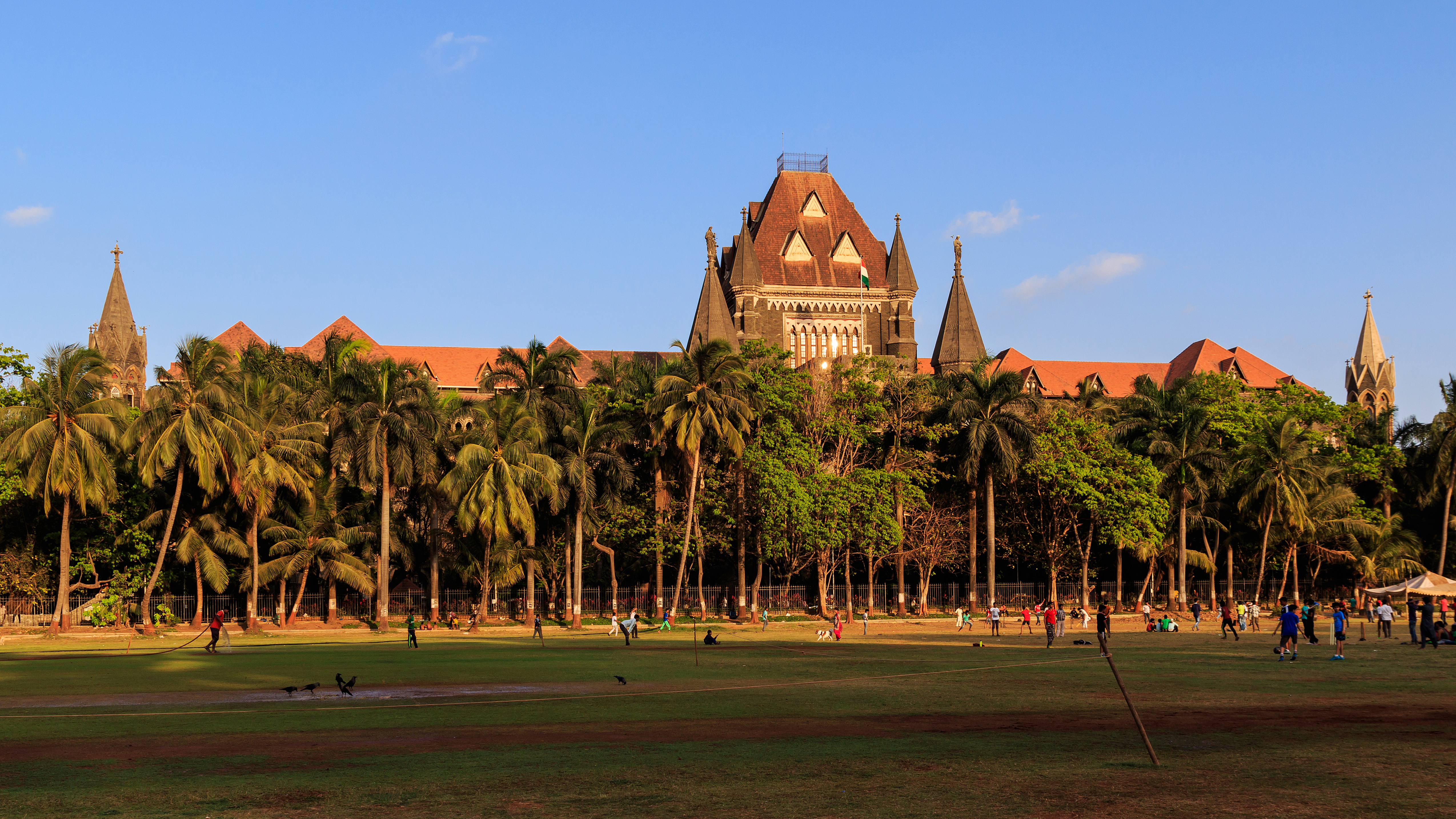
Chhatrapati Sambhajinagar: A young man who was selected for the post of Vidyut Sahayak (electrical assistant) with Mahavitaran, but lost the job before joining because a criminal case had been registered against him, has won relief from the Bombay High Court.
A division bench of Justices Nitin B. Suryawanshi and Abasaheb D. Shinde of the Chhatrapati Sambhajinagar bench set aside the decision of the Maharashtra State Electricity Distribution Company Limited (MSEDCL), popularly called Mahavitaran, to cancel his candidature. The judgment was delivered on 5 November 2026. The court observed that the mere registration of a criminal case cannot, by itself, justify denying a person employment.
The case
The petitioner, Shaikh Shoaib Ahmed Rafiuddin Sheikh, had applied under the Economically Weaker Section (EWS) category for the Vidyut Sahayak recruitment that Mahavitaran advertised in 2019. He cleared the selection process and was selected for the post. The company later cancelled his candidature, citing a criminal case that had been registered against him.
He challenged that decision in the High Court through advocate Sayyed Tauseef Yaseen. The court partly allowed the petition.
Advocate Yaseen explained the background of the case to Mother India Today's representative. At the heart of the ruling is the court's view that an employer cannot treat the registration of a case as automatic proof that a candidate is unfit for a job. As reported, the bench found that Mahavitaran had exercised its discretion in an unreasonable and irrational manner.
Why this matters for job-seekers
Every year, lakhs of young people in Maharashtra apply for government and public-sector jobs — in electricity companies, police, transport, health and education. Many come from families where a single government job changes the family's future. Yet a police complaint, sometimes from a family quarrel, a neighbourhood dispute or a protest, can stay on record for years.
The law on this point is well settled. In Avtar Singh v. Union of India (2016), a three-judge bench of the Supreme Court laid down how employers must treat criminal cases during recruitment. In short:
- A candidate must truthfully disclose any criminal case in the attestation or verification form. Hiding a case can itself lead to cancellation.
- When a case is disclosed, the employer must still apply its mind. It must look at the nature of the offence, how serious it is, whether the case is pending or has ended, and the post the person is being appointed to.
- Cancelling a selection cannot be mechanical. The decision must be reasoned and fair.
The Bombay High Court's decision follows the same line of thinking: a registered case is an allegation, not a conviction.
What candidates should do
- Disclose honestly. If any FIR or case has ever been registered against you, mention it in the verification form, even if you think it is minor or has been closed.
- Keep your papers ready. Keep copies of the FIR, charge sheet (if any), bail order, and any acquittal, discharge or compromise order.
- Ask for reasons in writing. If your selection is cancelled, ask the employer for a written order with reasons. That order is what a court will examine.
- Act quickly. Delay can weaken a case. Consult a lawyer early.
- Free legal help is available. People who cannot afford a lawyer can approach the District Legal Services Authority (DLSA) in their district or call the national legal aid helpline 15100.
What this does not mean
The judgment does not say that criminal cases can never matter in recruitment. Employers can still refuse appointment for serious offences or posts that need special trust — but only after a proper, reasoned assessment of the individual case. Each case depends on its own facts.
What next
Mahavitaran can still challenge the order before a larger bench or the Supreme Court. Readers should go by the High Court's written judgment for the exact directions in this case. Mother India Today will update this report as more details become available.
This article is for public awareness and is not legal advice. For your own case, please consult a qualified advocate or your District Legal Services Authority.
Source: UNI (6 Nov 2026); The Times of India; petitioner's advocate Sayyed Tauseef Yasee