Meera's Garden of Questions: A Children's Day Story
An original Children's Day story for young readers: a class plants a garden, fills a box with questions, and discovers the most important question of all.
KIDS CORNER | CHILDREN'S DAY STORY
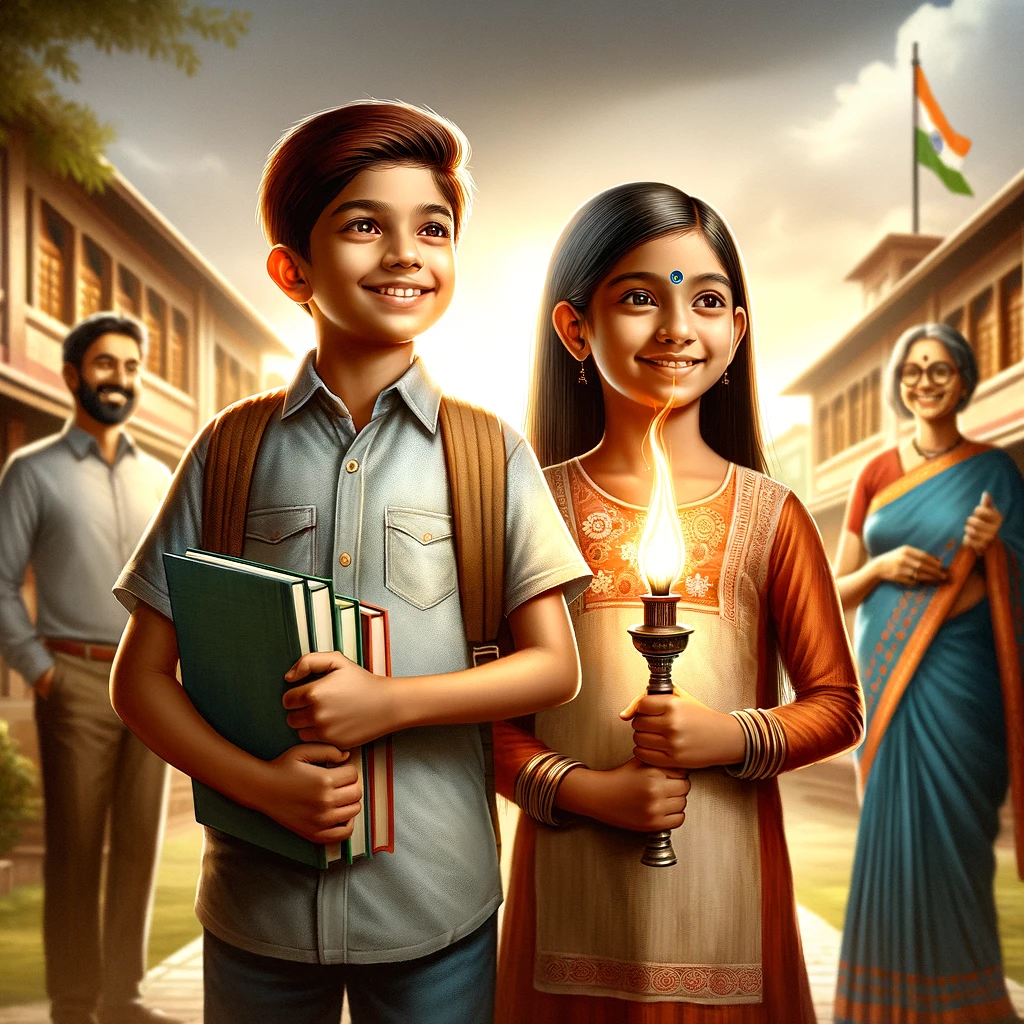
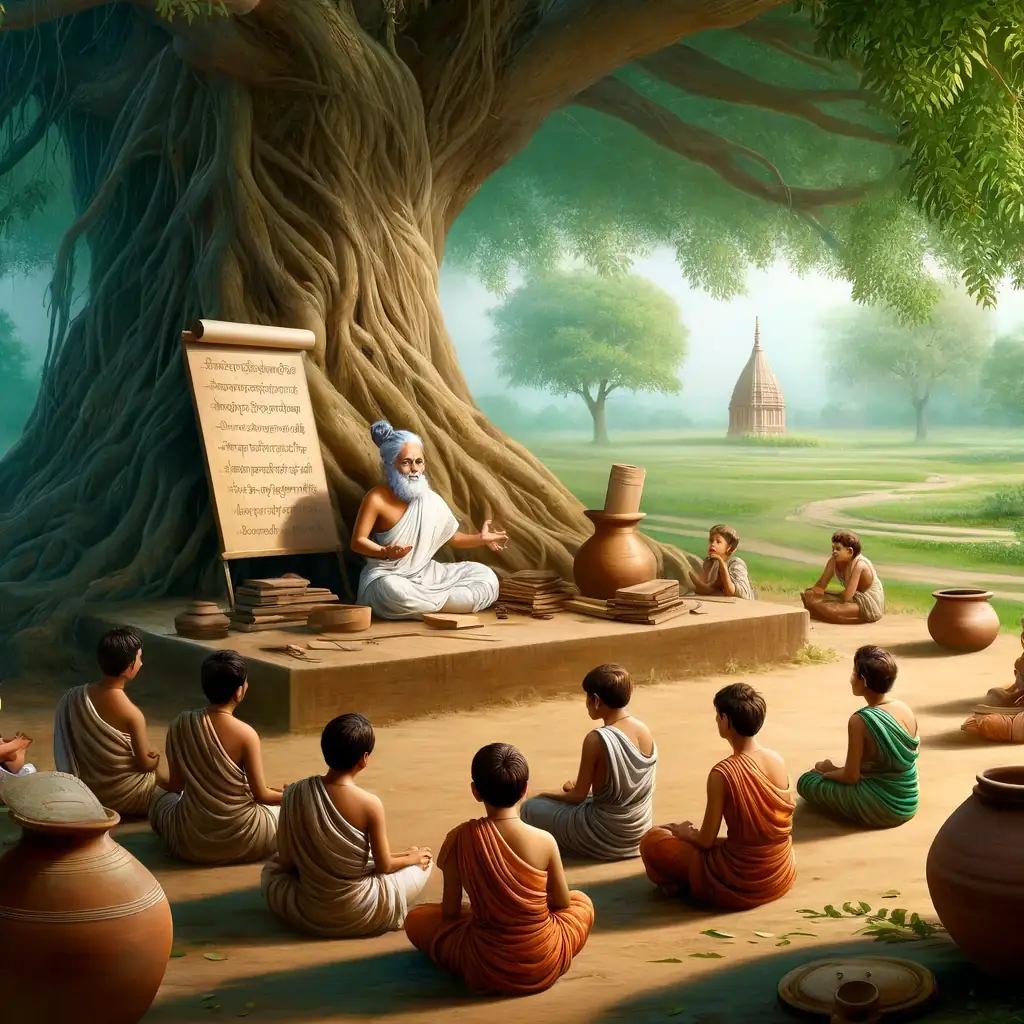
In a small school at the edge of a village stood an old banyan tree. Its roots hung down like ropes, and its shade was big enough for the whole of Class 5.
Meera loved that tree, but she loved questions even more. Why is the sky blue? Where do birds sleep at night? Why do grown-ups always say "later"?
"Meera, you ask too many questions," her friend Kabir said one morning, as they swept dry leaves from the courtyard.
"How else will I know things?" Meera replied.
That week, Asha Ma'am made an announcement. "On Children's Day, our class will plant a garden behind the school. Every plant will belong to someone. And there is one rule: each of you must bring one question you really want answered."
The children looked at each other. A garden of questions?
On Saturday morning they arrived with seeds, small pots and folded slips of paper. Kabir brought marigold seeds. Fatima brought a tulsi plant from her grandmother's courtyard. Raju, who hardly ever spoke, carried a tiny rose plant wrapped in an old newspaper.
They dug, watered and laughed. Then Asha Ma'am placed a tin box under the banyan tree. "Drop your questions in here," she said. "We will open one every week and find the answer together — in books, from our families, or by doing an experiment."
Meera dropped hers in: "Why do roses have thorns?"
Week after week, the box was opened. One question asked why leaves change colour. Another asked how far away the Moon is. (About 3,84,400 kilometres!) Someone wanted to know why Dadi puts turmeric on small cuts. The children read, asked, tested and argued — politely.
Then it was Meera's turn. The class learned that the sharp points on a rose stem help protect the plant from animals that might eat it, and help some climbing roses hold on to other plants.
"So the thorns are not there to hurt us," said Kabir slowly. "They are there to keep the rose safe."
"Like the rules at home," Fatima giggled, and everyone laughed.
But one slip in the box had no name on it. It said: "Does anyone listen to children?"
The courtyard went quiet. Asha Ma'am read it twice. Then she sat down on the roots of the banyan tree, so that her eyes were at the same level as the children's.
"This is the most important question in the box," she said. "Children have a right to be heard. Your ideas matter — about your school, your games and your future. Today, I am listening. What would you change?"
Hands shot up. A water-bottle stand near the gate. More storybooks in the library. Ten more minutes of play. A ramp, so that Raju's cousin, who uses a wheelchair, could visit the school.
Asha Ma'am wrote every idea on the board. Some could happen this month. Some would take longer. But every single idea was written down.
Raju quietly walked over to his rose plant. Its first bud had opened, deep red.
"I wrote that question," he whispered to Meera. "I didn't think anyone would read it."
"Everyone read it," Meera whispered back. "And today, everyone listened."
That evening the class took a photo under the banyan tree, each child holding a plant. On the board behind them, in big letters, Asha Ma'am had written:
OUR GARDEN. OUR QUESTIONS. OUR VOICES.
Think and talk
- Why do you think Raju did not write his name on his question?
- If your class had a question box, what would you write?
- What is one idea that would make your school a better place?
Moral: Questions help us grow — and every child deserves to be heard.
(An original story written for Mother India Today's Kids Corner. All names and places are imaginary.)