Government Makes Mental Health Part of School Education: What This Means for India's 26 Crore School Children
In a landmark move, the Ministry of Education has formalized mental health and emotional wellbeing as integral components of India's school curriculum under NEP 2020, here is how the initiative will work.

In what child psychologists and educators are calling a historic step forward for India's school system, the Ministry of Education has formally integrated mental health and emotional wellbeing into the national school curriculum framework under NEP 2020. The notification, issued in coordination with the National Commission for Protection of Child Rights (NCPCR) and the Ministry of Health and Family Welfare, makes India one of the first developing nations to mandate structured mental health education in schools at scale.
WHY THIS MATTERS:
India faces a profound, underacknowledged mental health challenge among its young population. According to the National Institute of Mental Health and Neurosciences (NIMHANS), Bengaluru, approximately 7.3 percent of children in the age group 6-18 years — roughly 1.9 crore children — have a diagnosable mental health condition. The most common are anxiety disorders, attention deficit hyperactivity disorder (ADHD), depression and conduct disorders.
Of these, fewer than 1 in 10 ever receive any form of professional support. The barriers are many: stigma, lack of awareness among parents and teachers, shortage of child mental health professionals (India has approximately 0.3 child psychiatrists per 100,000 population, far below the WHO recommended level), and the absence of any structured mental health content in school curricula.
WHAT THE NEW FRAMEWORK INVOLVES:
For Classes 1-5 (Foundational stage): Age-appropriate social-emotional learning (SEL) content integrated into Hindi and English language textbooks. Stories and activities that teach children to identify and name their emotions, understand others' feelings (empathy) and use simple strategies for calming down when upset.
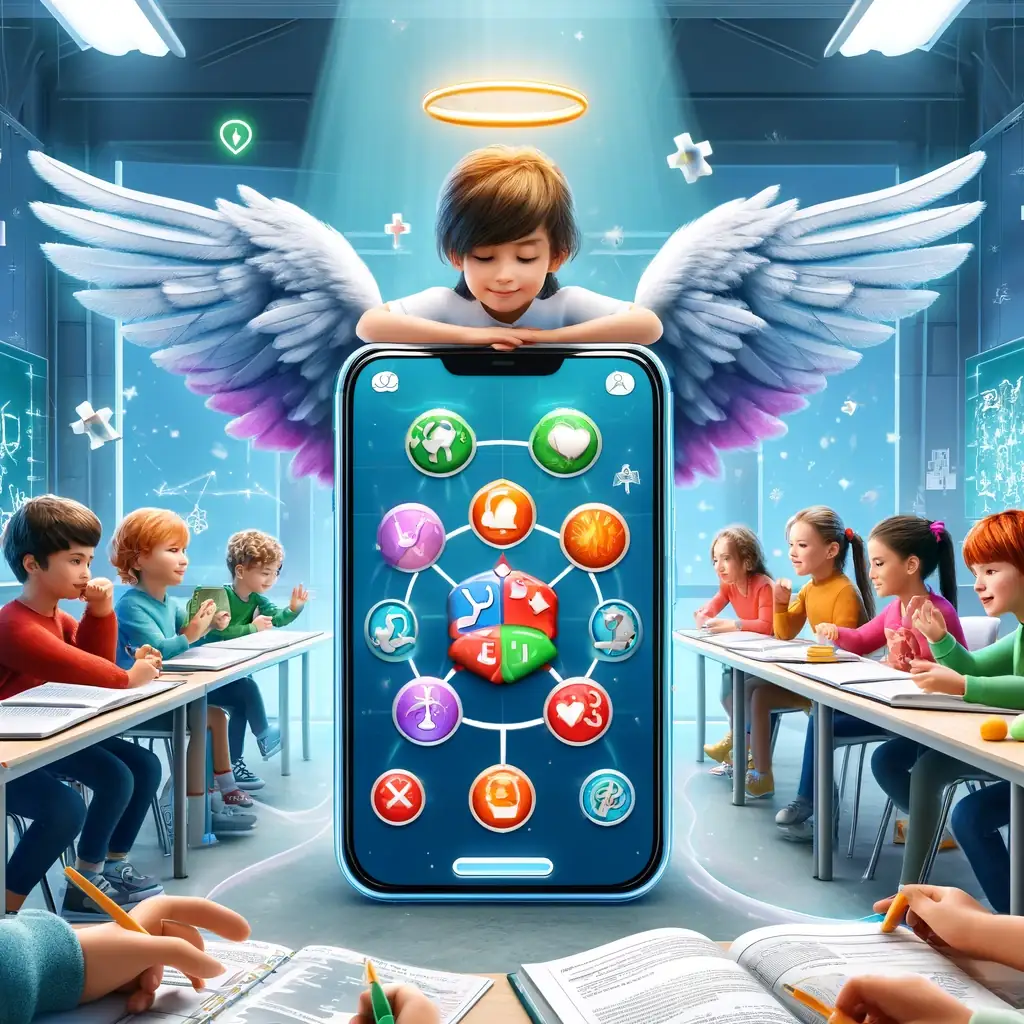
For Classes 6-8: Dedicated "wellness" periods — one 45-minute session per week — covering topics including stress management, the connection between sleep and exercise and mental health, body image and self-esteem, peer pressure and healthy friendships, and when and how to ask for help from a trusted adult.
For Classes 9-12: More in-depth content covering adolescent mental health challenges, the science of anxiety and depression (destigmatised as brain health conditions, not character weaknesses), digital wellness and social media's impact on mental health, substance use awareness, and how to support a friend who may be struggling.
For Teachers: Mandatory 24-hour training module on recognising signs of mental health challenges in students, responding with compassion and without stigma, and referring appropriately. This module is being delivered through DIKSHA.
THE COUNSELLOR GAP:
The new framework acknowledges India's shortage of school counsellors — most government schools have no counsellors at all, and many private schools have counsellors who double as career advisers with limited mental health training. The government has announced a phased programme to place trained school counsellors in all government schools with enrolment above 500 students by 2028, funded through Samagra Shiksha Abhiyan.
WHAT PARENTS CAN DO RIGHT NOW:
- Have regular (non-crisis) conversations about feelings and wellbeing
- Ensure adequate sleep — 9-11 hours for school-age children, 8-10 for teenagers
- Limit academic pressure to sustainable levels and validate effort, not just results
- Model help-seeking behaviour — talking openly when you yourself are stressed
India's children deserve a school system that cares for their whole selves — their minds as much as their marks. This new policy, imperfect as its implementation will inevitably be, is a step in the right direction.
KEY FACTS:
Children with diagnosable mental health conditions (India): approximately 1.9 crore
Children receiving professional support: fewer than 1 in 10
Child psychiatrists per 100,000 population (India): 0.3 (WHO recommends 10 times more)
School counsellors to be placed by 2028: All government schools with 500 plus students